
Journal of International Medical and Health Sciences
Pharmacological Evaluation of Clove Water as a Complementary Remedy for Rheumatoid Arthritis Management
Research Article
View PDFAbstract
Rheumatoid arthritis (RA) is a chronic autoimmune disorder characterized by persistent synovial inflammation, joint destruction, and systemic complications that significantly impair patient quality of life. Conventional therapeutic strategies, including disease-modifying antirheumatic drugs (DMARDs), nonsteroidal anti-inflammatory drugs (NSAIDs), and biologics, offer symptomatic relief but are often associated with limited efficacy, high costs, and adverse effects. This has stimulated growing interest in exploring herbal and complementary remedies as adjunct therapies for RA management. Clove (Syzygium aromaticum), traditionally recognized for its analgesic, anti-inflammatory, and antioxidant properties, has gained attention as a potential therapeutic option. Clove water, a simple aqueous preparation, contains pharmacologically active phytochemicals such as eugenol, flavonoids, tannins, and phenolic acids, which may collectively modulate inflammatory pathways relevant to RA. Preclinical studies suggest that clove extracts exert immunomodulatory effects by inhibiting pro-inflammatory cytokines, downregulating NF-κB activation, and reducing oxidative stress, thereby protecting cartilage and joint integrity. Although direct clinical evidence on clove water in RA patients remains limited, its pharmacological profile supports potential application as a safe, cost-effective, and accessible complementary remedy. This review highlights the phytochemical composition, pharmacological actions, preclinical evidence, safety considerations, and therapeutic prospects of clove water in RA management. Furthermore, it emphasizes the need for well-designed clinical trials to validate efficacy, optimize dosage, and evaluate long-term safety. Overall, clove water represents a promising natural adjunct that could complement conventional therapies, improve patient outcomes, and reduce dependence on synthetic drugs in rheumatoid arthritis care.
Keywords: Clove Water, Rheumatoid Arthritis, Eugenol, Anti-Inflammatory, Complementary Therapy, Antioxidant
1. Introduction
Rheumatoid arthritis (RA) is a chronic, systemic autoimmune disorder that primarily affects synovial joints and leads to progressive disability if left untreated. Globally, RA affects approximately 0.5–1% of the population, with a higher prevalence among women compared to men, particularly in the age range of 30 to 60 years. The disease is characterized
by persistent synovial inflammation, hyperplasia of synovial tissue, pannus formation, and gradual destruction of cartilage and bone. At the molecular level, RA involves a complex interplay of immune cells and pro-inflammatory mediators such as tumor necrosis factor-alpha (TNF-α), interleukin-1 beta (IL-1β), and interleukin-6 (IL-6), which collectively drive inflammation and joint degradation. Beyond musculoskeletal impairment, RA is associated with systemic complications, including cardiovascular disease, pulmonary involvement, and increased risk of infections, which contribute to reduced life expectancy. Importantly, the disease also imposes a profound psychological and socioeconomic burden, limiting quality of life and work productivity(Hasan et al., 2022)
Conventional management of RA relies heavily on pharmacological interventions, particularly disease-modifying antirheumatic drugs (DMARDs) such as methotrexate, sulfasalazine, and leflunomide. Biologic agents targeting cytokines (e.g., TNF inhibitors, IL-6 receptor blockers) and Janus kinase (JAK) inhibitors have revolutionized treatment outcomes in recent decades. However, these therapies are not curative, and many patients experience incomplete remission or relapse despite aggressive treatment. Moreover, adverse effects such as hepatotoxicity, immunosuppression, gastrointestinal complications, and elevated infection risk limit long-term compliance. High costs associated with biologics and targeted therapies further restrict access, particularly in low- and middle-income countries. Consequently, there is growing recognition of the need for safer, more accessible, and cost-effective complementary strategies that can support conventional treatment(Prasad et al., 2023).
Herbal medicine and complementary remedies have emerged as potential adjuncts in RA management due to their multi-targeted pharmacological effects, relatively low toxicity, and cultural acceptance. Natural products derived from plants are often rich in bioactive compounds with anti-inflammatory, antioxidant, and immunomodulatory properties. Among these, clove (Syzygium aromaticum), a spice widely used in culinary and traditional medicine practices, has gained attention for its therapeutic potential. Traditionally, clove has been employed in pain relief, oral health, and respiratory conditions. Recent pharmacological studies highlight that clove extracts possess potent antioxidant activity, suppress inflammatory mediators, and exhibit analgesic effects, making them relevant candidates for RA therapy(Rajalekshmi & Agrawal, 2024).
Clove water, a simple aqueous preparation of clove, offers a particularly accessible form of delivery that aligns with traditional practices. Unlike concentrated essential oils, which may cause irritation or toxicity at high doses, clove water provides a safer method of harnessing clove’s phytochemicals, particularly eugenol, flavonoids, and phenolic compounds. These constituents have been reported to inhibit cyclooxygenase (COX) enzymes, modulate nuclear factor-kappa B (NF-κB) signaling, and scavenge free radicals, thereby addressing both inflammatory and oxidative pathways central to RA pathogenesis. Furthermore, clove water represents an economical and culturally acceptable formulation that can be easily integrated into dietary or complementary health practices, especially in regions with limited access to advanced biologics.
Thus, the pharmacological evaluation of clove water presents an opportunity to explore its role as a complementary remedy for RA. By reviewing available evidence on its photochemistry, mechanisms of action, preclinical studies, and safety considerations, this article seeks to highlight the potential of clove water in improving patient outcomes and reducing dependence on costly or toxic pharmacological agents(Kumari et al., 2025).
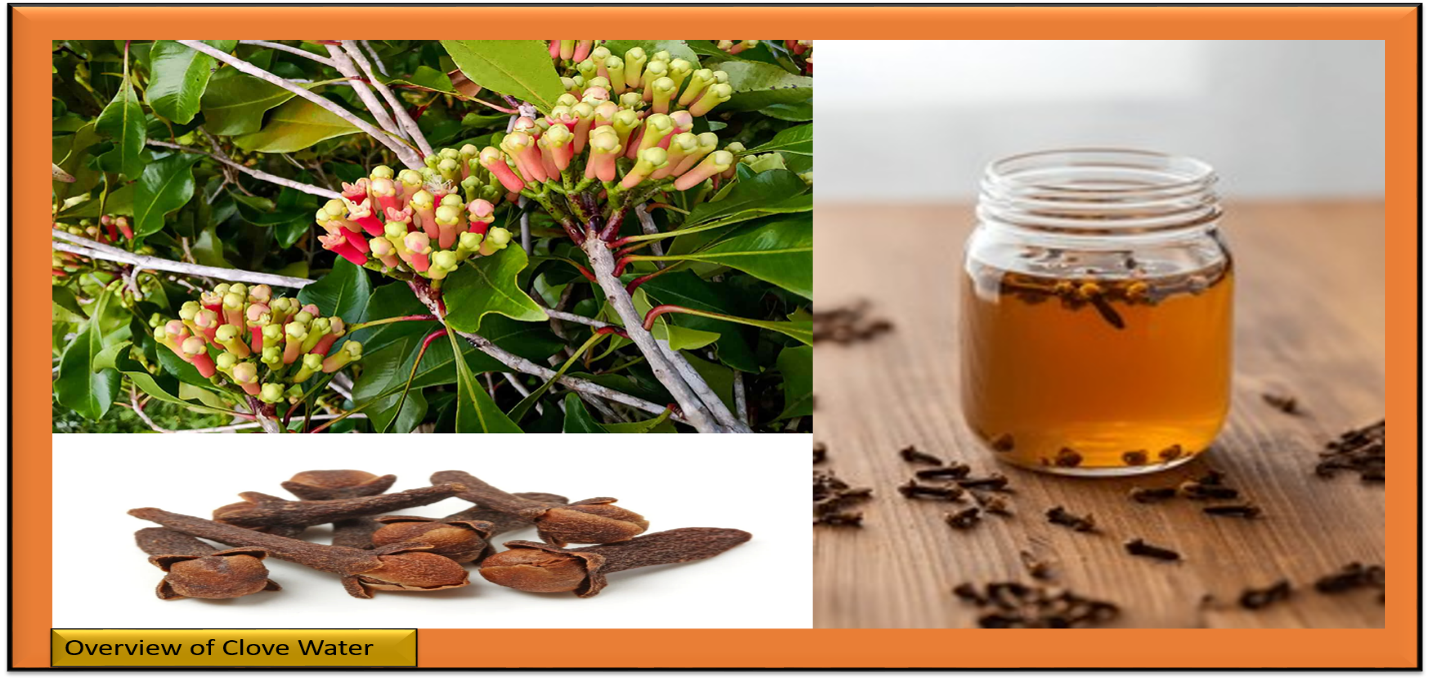
Figure No:1. Overview of clove water
2. Rheumatoid Arthritis: Pathophysiological Insights
Rheumatoid arthritis (RA) is a prototypical autoimmune disease marked by chronic inflammation of synovial joints, resulting in progressive tissue destruction and systemic complications. The pathophysiology of RA is multifactorial, involving genetic predisposition, environmental triggers, and dysregulation of both innate and adaptive immunity. The hallmark of RA lies in its autoimmune nature, where the body’s immune system mistakenly identifies self-antigens within the synovial tissue as foreign, thereby initiating a persistent inflammatory response(Alivernini et al., 2022).
Autoimmune and Inflammatory Mechanisms
The initial immune dysregulation in RA is thought to arise from aberrant antigen presentation by dendritic cells, leading to activation of autoreactive CD4+ T helper cells. These T cells release pro-inflammatory cytokines and stimulate B cells to produce autoantibodies such as rheumatoid factor (RF) and anti-citrullinated protein antibodies (ACPAs). The formation of immune complexes further activates complement pathways, amplifying inflammation within the synovial membrane. Macrophages, neutrophils, and fibroblast-like synoviocytes (FLS) are recruited and activated, contributing to a self-perpetuating cycle of inflammation. FLS, in particular, undergo hyperplasia and acquire an aggressive phenotype, secreting inflammatory mediators, proteolytic enzymes, and matrix metalloproteinases (MMPs) that degrade cartilage and extracellular matrix(Wang et al., 2023).
Role of Cytokines and Oxidative Stress
Cytokines play a central role in the perpetuation of RA pathology. Tumor necrosis factor-alpha (TNF-α), interleukin-1 beta (IL-1β), and interleukin-6 (IL-6) are key drivers of inflammation. TNF-α promotes the recruitment of inflammatory cells, induces expression of adhesion molecules, and stimulates osteoclastogenesis, thereby contributing to bone erosion. IL-1β enhances synovial proliferation, activates MMPs, and intensifies cartilage degradation, while IL-6 promotes B cell differentiation and systemic manifestations such as anemia and fatigue. Collectively, these cytokines activate intracellular signaling pathways, particularly the nuclear factor-kappa B (NF-κB) and Janus kinase/signal transducer and activator of transcription (JAK/STAT) cascades, which sustain the inflammatory response(Kondo et al., 2021).
In addition to cytokine imbalance, oxidative stress is a critical pathogenic factor. Elevated levels of reactive oxygen species (ROS) and reactive nitrogen species (RNS) are observed in RA patients, largely produced by activated macrophages and neutrophils. ROS not only cause direct damage to DNA, proteins, and lipids but also enhance cytokine release and activate NF-κB signaling, further driving inflammation. Moreover, oxidative stress reduces antioxidant defenses, creating an imbalance that perpetuates joint injury and systemic complications(Liang et al., 2025; Zhu et al., 2025).
Joint Destruction, Cartilage Degradation, and Systemic Complications
The chronic inflammatory milieu leads to the formation of pannus, an invasive granulation tissue composed of proliferating FLS, macrophages, and nonvascular structures. Pannus extends into articular cartilage and subchondral bone, releasing proteases that degrade cartilage matrix and activating osteoclasts to resorb bone. This process results in joint deformity, stiffness, and functional impairment. Beyond localized joint damage, RA is a systemic disease associated with extra-articular complications. Patients exhibit higher risks of cardiovascular disease, pulmonary fibrosis, renal impairment, and osteoporosis. Chronic systemic inflammation also contributes to fatigue, anemia of chronic disease, and increased mortality(Tai et al., 2021).
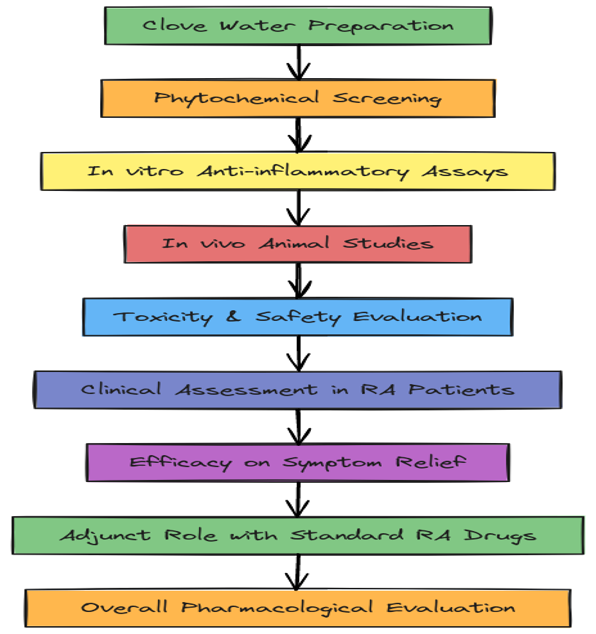
Figure No.2: Overview of Clove Water
Need for Safe, Multi-Targeted Therapies
Given the complexity of RA pathogenesis, effective management requires therapies capable of targeting multiple pathways simultaneously. While conventional pharmacological interventions such as DMARDs and biologics focus on specific cytokines or immune cells, their efficacy may be limited, and they often carry risks of toxicity or immunosuppression.
This highlights the need for alternative and complementary therapies that are safe, accessible, and capable of modulating multiple pathogenic mechanisms. Natural remedies such as clove water, which possess combined anti-inflammatory, antioxidant, and immunomodulatory properties, hold promise as adjuncts in achieving holistic disease control(Ding et al., 2023).
Table No.1: Pharmacological Evaluation of Clove Water as a Complementary Remedy for Rheumatoid Arthritis Management
|
Sr. No. |
Phytochemical |
Molecular Target |
Pharmacological Effect |
Relevance to RA |
References |
|
1 |
Eugenol |
NF-κB signaling |
Inhibits nuclear translocation |
Reduces pro-inflammatory cytokines |
(Damasceno et al., 2024) |
|
2 |
Eugenol |
MAPK pathway |
Downregulates p38/JNK/ERK |
Suppresses joint inflammation |
(Stojanović et al., 2024) |
|
3 |
Eugenol |
COX-2, LOX enzymes |
Inhibition of prostaglandin/leukotriene synthesis |
Analgesic, anti-inflammatory |
(Yıldız et al., 2023) |
|
4 |
Flavonoids |
ROS scavenging |
Antioxidant activity |
Protects synovial tissues |
(Wahnou et al., 2024) |
|
5 |
Tannins |
Metal ion chelation |
Reduces oxidative stress |
Prevents cartilage damage |
(Li et al., 2021) |
|
6 |
Phenolic acids |
Cytokine modulation |
Lowers TNF-α, IL-1β, IL-6 |
Balances immune response |
(Xia et al., 2021) |
|
7 |
Clove water (aqueous form) |
Enhanced solubility |
Better safety vs oils |
Safe for long-term use |
(Liñán-Atero et al., 2024) |
|
8 |
Antioxidants |
SOD, Catalase, GPx activation |
Neutralizes ROS |
Slows RA progression |
(Bilski & Nuszkiewicz, 2025) |
|
9 |
Polyphenols |
Matrix metalloproteinases (MMPs) |
Inhibition of cartilage degradation |
Preserves joint integrity |
(Ashruf & Ansari, 2022) |
|
10 |
Eugenol + Flavonoids |
RANKL pathway |
Suppresses osteoclastogenesis |
Prevents bone erosion |
(A. R. Sharma et al., 2023) |
|
11 |
Clove extract (preclinical) |
Paw edema model |
Anti-inflammatory outcomes |
Reduces swelling in arthritis |
(Ahmad & Ibrahim, 2024) |
|
12 |
Clove oil toxicity |
Liver cells |
Hepatotoxic at high doses |
Caution in chronic use |
(Elgharib et al., 2025) |
|
13 |
Clove water |
Analgesic pathways |
Modulates pain perception |
Relief from RA pain |
(Maring et al., 2024) |
|
14 |
Immunomodulation |
Cytokine balance |
Enhances IL-10, reduces TNF-α |
Improves systemic immunity |
(Salvador et al., 2021) |
|
15 |
Complementary use |
With DMARDs/NSAIDs |
Potential synergism |
Reduces drug side effects |
(Ghosh et al., 2024) |
3. Clove (Syzygium aromaticum): Traditional and Modern Uses
Clove (Syzygium aromaticum), an aromatic spice derived from the dried flower buds of the clove tree belonging to the Myrtaceae family, has been widely utilized across cultures for both culinary and medicinal purposes. Native to the Maluku Islands (Indonesia), clove has been traded globally for centuries and holds a prominent place in traditional medicine systems, including Ayurveda, Unani, and Traditional Chinese Medicine. Its strong aroma and pungent flavor are attributed to its high content of essential oils, particularly eugenol, which is responsible for many of its pharmacological effects (Shaukat et al., 2025).
Historical and Ethnomedicinal Use of Clove
Historically, clove has been revered for its diverse therapeutic benefits. In Ayurvedic medicine, clove has been prescribed for toothaches, digestive disturbances, respiratory ailments, and joint pain due to its analgesic and anti-inflammatory properties. Traditional Chinese Medicine recommends clove for conditions such as hiccups, nausea, and digestive imbalance, highlighting its warming and stimulating characteristics. In Middle Eastern and Unani practices, clove has been used for sexual health, relief of colds and cough, and to alleviate inflammatory conditions. Across cultures, clove has consistently been recognized for its role in pain management, reduction of swelling, and relief from respiratory disorders, demonstrating its broad therapeutic applications(Kumari et al., 2025).
Nutritional and Phytochemical Profile of Clove
Clove is rich in bioactive compounds that account for its medicinal potential. The most abundant phytochemical is eugenol, a phenolic compound that constitutes 70–85% of clove’s essential oil. Eugenol exhibits strong anti-inflammatory, analgesic, antioxidant, and antimicrobial activities, making it central to clove’s pharmacological relevance. Other constituents include eugenyl acetate, β-caryophyllene, flavonoids, tannins, and phenolic acids. These compounds contribute synergistically to clove’s therapeutic effects. In addition to phytochemicals, clove also provides essential nutrients such as manganese, vitamin K, vitamin C, calcium, magnesium, and dietary fiber, enhancing its nutritional value. The combined presence of phytoconstituents and micronutrients positions clove as both a medicinal spice and a functional food ingredient(Begum et al., 2022).
Preparation and Significance of Clove Water in Traditional Medicine
While clove oil and powdered clove have been commonly used, clove water preparation has long been part of traditional remedies, particularly in regions where simple, accessible, and safe formulations are favored. Clove water is typically prepared by soaking or boiling dried clove buds in water, allowing soluble phytochemicals to diffuse into the aqueous medium. Unlike essential oil extracts, which are concentrated and may cause irritation or toxicity in high doses, clove water offers a milder alternative with a favorable safety profile(Ullah et al., 2023).
In ethnomedicinal practices, clove water has been consumed for relief from sore throats, cough, digestive complaints, and inflammatory conditions. Its aqueous nature makes it more acceptable for daily consumption, especially among elderly and sensitive populations. Importantly, clove water retains significant amounts of eugenol and phenolic compounds, which can exert antioxidant, analgesic, and anti-inflammatory effects. This simple preparation aligns with traditional healing approaches emphasizing accessibility, affordability, and safety(Yadav et al., 2022).
From a modern perspective, clove water represents an underexplored yet promising formulation that could bridge the gap between traditional herbal practices and contemporary therapeutic needs. Its potential role as a complementary remedy in chronic inflammatory diseases such as rheumatoid arthritis merits systematic investigation, particularly
because it provides a natural, culturally accepted, and easily standardized delivery method for clove’s bioactive constituents(Kumari et al., 2025).
Table No.2: Vitamins and Minerals in Clove Water
|
Sr. No. |
Nutrient |
Type |
Physiological Role |
Potential Relevance to RA |
Remarks |
References |
|
1 |
Vitamin A (β-carotene traces) |
Fat-soluble vitamin |
Vision, immune regulation |
Supports immune balance |
Low solubility, trace levels in aqueous form |
(EMEKLI-ALTURFAN, 2023) |
|
2 |
Vitamin C (Ascorbic acid) |
Water-soluble vitamin |
Antioxidant, collagen synthesis |
Reduces oxidative stress in joints |
Likely extractable in water |
(HADDAD et al., n.d.) |
|
3 |
Vitamin E (Tocopherols traces) |
Fat-soluble vitamin |
Lipid antioxidant |
Protects membranes from ROS |
Poorly soluble in water, minimal levels |
(Abdelqader et al., 2023) |
|
4 |
Vitamin K |
Fat-soluble vitamin |
Blood clotting, bone metabolism |
May support bone integrity |
Very low in aqueous extract |
(Rafeeq et al., 2020) |
|
5 |
Vitamin B1 (Thiamine) |
Water-soluble vitamin |
Energy metabolism |
Reduces fatigue in RA |
Present in small amounts |
(Nemati et al., 2023) |
|
6 |
Vitamin B2 (Riboflavin) |
Water-soluble vitamin |
Cellular respiration |
Antioxidant cofactor |
Water extractable |
(MAHAJAN et al., 2024) |
|
7 |
Vitamin B3 (Niacin) |
Water-soluble vitamin |
NAD/NADP coenzyme function |
Anti-inflammatory potential |
Likely present in trace |
(Nemati et al., 2023) |
|
8 |
Vitamin B6 (Pyridoxine) |
Water-soluble vitamin |
Amino acid metabolism |
Supports neurotransmitter synthesis |
Water extractable |
(Hernandez Garcia, 2024) |
|
9 |
Folate (B9) |
Water-soluble vitamin |
DNA synthesis, methylation |
Important for patients on methotrexate |
Small traces in aqueous extract |
(Fareed et al., 2023) |
|
10 |
Potassium |
Mineral |
Electrolyte balance, muscle function |
May help reduce muscle stiffness |
Extractable in water |
(James & Evans, 2023) |
|
11 |
Calcium |
Mineral |
Bone and cartilage strength |
Counteracts RA-associated bone loss |
Limited solubility but detectable |
(Sakthiswary et al., 2022) |
|
12 |
Magnesium |
Mineral |
Cofactor for >300 enzymes |
Reduces inflammation, supports joints |
Likely present in aqueous form |
(Kuang et al., 2021) |
|
13 |
Sodium |
Mineral |
Fluid balance |
Maintains cellular function |
Trace amounts |
(Bernal et al., 2023) |
|
14 |
Iron |
Mineral |
Hemoglobin synthesis |
Important in RA-related anemia |
Limited solubility in water |
(Cai et al., 2025) |
|
15 |
Zinc |
Mineral |
Immune regulation, wound healing |
Modulates inflammatory cytokines |
Low but significant in RA support |
(Rizwan et al., 2025) |
4. Phytochemical Constituents of Clove Water
Clove (Syzygium aromaticum) is a phytochemically rich spice whose therapeutic potential is primarily attributed to its bioactive compounds. While most research has focused on clove essential oil and ethanolic extracts, clove water an aqueous preparation also contains significant quantities of water-soluble and moderately soluble phytochemicals. These constituents collectively contribute to its anti-inflammatory, antioxidant, analgesic, and immunomodulatory properties, making clove water an important candidate for complementary therapy in chronic inflammatory diseases such as rheumatoid arthritis (RA)(El-Saber Batiha et al., 2020).
Eugenol: The Primary Bioactive Compound
Eugenol is the most abundant and pharmacologically significant compound found in clove. It accounts for up to 70–85% of clove essential oil, and although less concentrated in aqueous preparations, clove water still retains measurable amounts. Eugenol possesses multiple therapeutic actions, including anti-inflammatory effects via inhibition of cyclooxygenase (COX) and lipoxygenase (LOX) enzymes, suppression of nuclear factor-kappa B (NF-κB) signaling, and downregulation of pro-inflammatory cytokines such as TNF-α, IL-1β, and IL-6. Its antioxidant activity is equally important, as eugenol neutralizes reactive oxygen species (ROS), thereby preventing oxidative stress–induced joint damage in RA. Furthermore, eugenol exhibits analgesic effects by modulating pain pathways, making it relevant in alleviating RA-associated discomfort(Laghari & Khan, 2022).
Flavonoids, Tannins, Saponins, and Phenolic Acids
Beyond eugenol, clove water contains a variety of secondary metabolites that enhance its pharmacological potential. Flavonoids such as quercetin and kaempferol contribute strong antioxidant activity, stabilize free radicals, and protect cartilage from oxidative degradation. They also modulate immune responses by influencing T-cell activity and cytokine release. Tannins exert astringent, anti-inflammatory, and antimicrobial effects, which may help control secondary infections and reduce inflammation within the synovial microenvironment. Saponins are known for their immunomodulatory and anti-proliferative properties. They may play a role in regulating aberrant immune activation in RA. Phenolic acids such as Gallic acid and ferulic acid act as potent antioxidants, protecting cellular components from oxidative injury and synergizing with eugenol to enhance anti-inflammatory activity. Together, these phytochemicals work in synergy, producing a broader therapeutic profile than eugenol alone(Singh & Purewal, 2024).
Solubility and Bioavailability in Aqueous Medium
The preparation of clove water relies on extracting compounds that are soluble or dispersible in water. Eugenol, being moderately soluble in water, is present in lower concentrations compared to essential oil preparations. However, aqueous extracts are enriched in water-soluble compounds such as flavonoids, tannins, and phenolic acids, which are often overlooked in oil-based formulations. This makes clove water unique, as it provides a balanced mixture of polar
and semi-polar compounds. Additionally, the reduced concentration of eugenol lowers the risk of toxicity, making clove water safer for regular use(Karaman & Kaplan, 2022).
Pharmacokinetic Considerations of Clove Water versus Extracts/Oils
The pharmacokinetics of clove water differ from that of essential oils and alcohol-based extracts. Essential oils, while rich in eugenol, deliver concentrated doses that may cause irritation, hepatotoxicity, or gastrointestinal distress when consumed in excess. Alcoholic extracts enhance solubility of lipophilic compounds but are less culturally acceptable in certain populations and may have limited safety in chronic use. By contrast, clove water provides a gentler delivery system, with slower absorption but improved tolerability. Its constituents are readily metabolized through hepatic conjugation (e.g., glucuronidation of eugenol and phenolics), ensuring efficient clearance and reduced risk of accumulation-related toxicity. Thus, clove water offers a unique pharmacological profile: while less potent in terms of eugenol concentration, it delivers a safer, synergistic spectrum of bioactive compounds suitable for long-term complementary therapy in RA(Franco & Jimenez, 2025).
Table No.3: Phytochemical Constituents of Clove Water
|
Sr. No. |
Constituent Class |
Key Compounds |
Pharmacological Activity |
Relevance to RA |
References |
|
1 |
Phenylpropanoids |
Eugenol |
Anti-inflammatory, analgesic, antioxidant |
Inhibits NF-κB, COX-2, reduces cytokines |
(Damasceno et al., 2024) |
|
2 |
Flavonoids |
Kaempferol, Quercetin |
Antioxidant, immunomodulatory |
Scavenges ROS, regulates cytokines |
(Al-Khayri et al., 2022) |
|
3 |
Tannins |
Hydrolyzable & condensed tannins |
Astringent, antioxidant |
Protects cartilage & connective tissue |
(Bule et al., 2020) |
|
4 |
Phenolic acids |
Gallic acid, Ferulic acid, Caffeic acid |
Antioxidant, anti-inflammatory |
Prevents oxidative damage in joints |
(Saleem et al., 2022) |
|
5 |
Saponins |
Triterpenoid saponins |
Immunomodulatory, membrane stabilizing |
Enhances immune balance in RA |
(Faustino et al., 2023) |
|
6 |
Volatile oils (traces in aqueous form) |
Caryophyllene, Humulene |
Anti-inflammatory, analgesic |
Modulates inflammatory mediators |
(Fernandes et al., 2007) |
|
7 |
Carbohydrates |
Simple sugars, glycosides |
Nutritional, energy source |
Supportive role in metabolism |
(Thompson & Thorpe, 1987) |
|
8 |
Minerals (water extractable) |
Potassium, Magnesium, Calcium |
Cofactors for enzymatic activity |
Support bone and joint health |
(Bonjour et al., 2009)s |
5. Pharmacological Properties Relevant to RA
The therapeutic relevance of clove (Syzygium aromaticum) water in rheumatoid arthritis (RA) is largely attributed to its diverse pharmacological properties, which target multiple aspects of disease pathogenesis. These include modulation of inflammatory signaling, neutralization of oxidative stress, alleviation of pain, and regulation of immune responses. Such multi-targeted actions make clove water a promising complementary therapy that could synergize with conventional pharmacological interventions(Shakeel et al., 2021).
Anti-inflammatory Effects: Inhibition of COX, LOX, and NF-κB Pathways
Inflammation is central to RA pathology, and clove water exhibits significant anti-inflammatory activity through the actions of its Phytoconstituents, particularly eugenol, flavonoids, and phenolic acids. Eugenol inhibits cyclooxygenase (COX-1 and COX-2) and lipoxygenase (LOX) enzymes, reducing the synthesis of prostaglandins and leukotrienes major mediators of pain and inflammation in RA. Furthermore, eugenol downregulates the nuclear factor-kappa B (NF-κB) pathway, which controls the expression of pro-inflammatory cytokines such as TNF-α, IL-1β, and IL-6. By suppressing these signaling cascades, clove water can help attenuate synovial hyperplasia, pannus formation, and subsequent joint destruction(Srinivasan, 2022).
Antioxidant Activity: Scavenging Free Radicals and Reducing Oxidative Stress
Oxidative stress plays a pivotal role in RA progression by amplifying inflammation and causing direct cellular injury. Clove water is rich in antioxidants, including eugenol, flavonoids, and phenolic acids, which act as free radical scavengers. These compounds neutralize reactive oxygen species (ROS) and reactive nitrogen species (RNS), thereby protecting lipids, proteins, and DNA from oxidative damage. Additionally, clove water enhances endogenous antioxidant defenses by upregulating enzymes such as superoxide dismutase (SOD) and catalase. Through these mechanisms, it mitigates oxidative damage to chondrocytes and synoviocytes, preserving joint integrity and slowing disease progression(Damasceno et al., 2024).
Analgesic Effects: Modulation of Pain Pathways
Pain is one of the most debilitating symptoms of RA, and clove water has demonstrated analgesic activity. Eugenol interacts with peripheral nociceptors and central pain pathways by modulating ion channels such as transient receptor potential vanilloid 1 (TRPV1) and reducing the release of substance P and bradykinin. In experimental models, clove extracts have been shown to reduce pain sensitivity, suggesting that clove water may alleviate arthritic pain without the gastrointestinal and renal risks associated with nonsteroidal anti-inflammatory drugs (NSAIDs)(Meotti et al., 2014).
Immunomodulatory Potential: Balancing Pro- and Anti-Inflammatory Cytokines
RA is characterized by an imbalance between pro-inflammatory and anti-inflammatory cytokines. Clove constituents, particularly flavonoids and saponins, exhibit immunomodulatory activity by downregulating TNF-α, IL-1β, and IL-6, while simultaneously promoting anti-inflammatory cytokines such as IL-10. This dual regulatory effect not only reduces inflammatory damage but also restores immune homeostasis, a critical goal in RA management. Such immunomodulation may contribute to long-term disease control and reduced flare frequency(D. Sharma et al., 2021).
Comparative Studies with Conventional RA Drugs
Conventional RA treatments such as NSAIDs, disease-modifying antirheumatic drugs (DMARDs), and biologics are effective but limited by adverse effects and cost. Comparative studies suggest that clove extracts produce anti-inflammatory and analgesic effects comparable to NSAIDs in preclinical models, though at lower potency. Unlike methotrexate or biologics, clove water does not cause immunosuppression or hepatotoxicity, highlighting its potential safety advantages. However, clove water is best viewed as a complementary therapy rather than a replacement, given its milder pharmacological potency. When integrated alongside conventional drugs, it may enhance therapeutic efficacy, reduce required dosages, and minimize side effects(Sen et al., 2024).
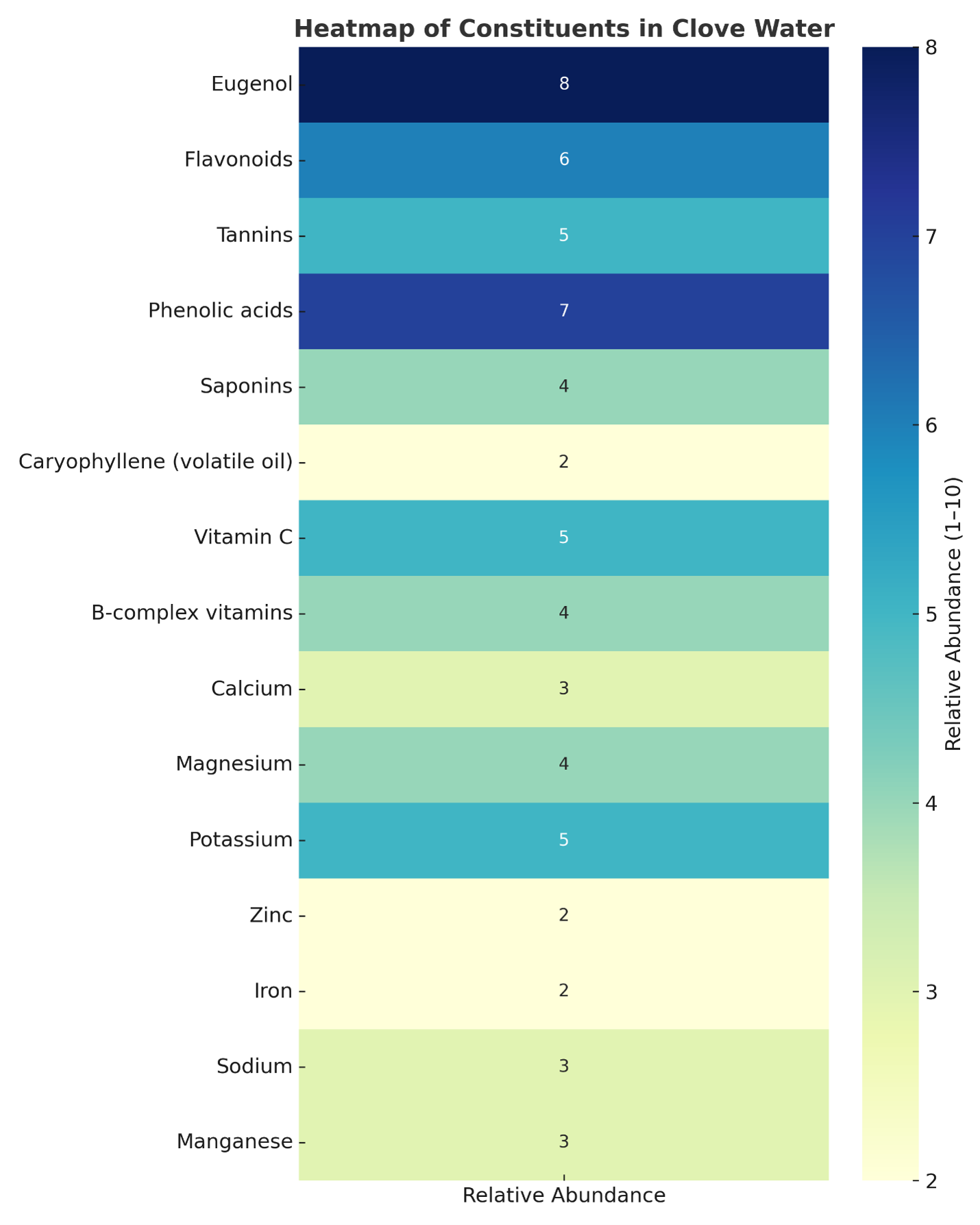
Figure No.3: Heatmap of Constituents of Clove Water
6. Evidence from Preclinical and Clinical Studies
A growing body of preclinical research supports clove’s anti-inflammatory, antioxidant, and analgesic properties effects largely attributed to eugenol and other phenolics but direct clinical evidence for clove water in rheumatoid arthritis (RA) remains limited. Below is a synthesis of in vitro, animal, and human data, followed by clear gaps that must be addressed before clinical recommendations can be made(Nisar et al., 2021).
In vitro studies modulation of inflammatory mediators
Multiple cell-based studies show that eugenol and clove extracts suppress key inflammatory pathways relevant to RA. Eugenol inhibits NF-κB activation and reduces expression of COX-2 and inducible nitric oxide synthase (iNOS), lowering prostaglandin and nitric oxide production in stimulated immune cells. Treatment of peripheral blood mononuclear cells (PBMCs) or fibroblast-like synoviocytes with eugenol/clove fractions lowers TNF-α and IL-6 release in a dose-dependent manner, indicating direct modulation of cytokine production central to RA pathogenesis. These mechanistic data support the plausibility that clove constituents could reduce synovial inflammation(Maouche et al., 2024).
Animal models of arthritis reductions in edema, cytokines, and histopathology changes
In several rodent models (carrageenan- or Freund’s adjuvant induced inflammation/arthritis), clove essential oil, alcoholic extracts, and eugenol derivatives reduced paw edema, joint swelling, and markers of oxidative stress. Studies reported decreased serum levels of TNF-α, IL-1β and IL-6 and improvements in histopathological scores (less synovial hyperplasia, inflammatory infiltrate, and cartilage erosion) compared with untreated controls. Nanoformulated clove preparations have also shown enhanced efficacy in FCA (Freund’s Complete Adjuvant) models, lowering cytokine levels and improving joint histology, suggesting formulation can markedly influence in vivo activity. However, most animal work uses concentrated oil or alcohol extracts rather than simple aqueous preparations(Damasceno et al., 2024).
Human studies limited and mostly non-RA clinical data
Human clinical evidence specifically assessing clove (or clove water) for RA is essentially absent. Clinical and controlled trials exist for clove/eugenol primarily in dental pain, topical analgesia, or general anti-inflammatory/antimicrobial uses, where topical clove formulations reduced pain and inflammation in short-term settings. There are no robust randomized controlled trials (RCTs) evaluating oral clove water as an adjunct in RA patients that report effects on joint counts, validated disease activity scores (e.g., DAS28), or long-term safety. Thus, translational gaps remain between promising preclinical findings and human RA therapy(Ullah et al., 2023).
Gaps in research specifically on clove water for RA
Formulation gap: Most preclinical positive results use essential oil or alcoholic extracts with higher eugenol content; clove water composition and standardized dosing are poorly defined(Kumari et al., 2025).
Pharmacokinetics/Toxicology: Data on absorption, plasma levels, metabolism, and long-term safety of repeated oral clove-water consumption particularly in combination with common RA drugs (methotrexate, biologics, NSAIDs) are lacking(Garcia-Carvajal et al., 2025).
Clinical efficacy trials: No RCTs have evaluated clove water for RA outcomes (pain, function, inflammatory biomarkers, imaging), so effectiveness and optimal dosing remain unknown.
Standardization and quality control: Methods for preparing clove water (temperature, time, plant part, ratio) vary across traditions; standardized extraction and quantification (e.g., eugenol mg per mL) are needed for reproducible research(Long et al., 2023).
Interaction studies: Potential herb drug interactions (e.g., effects on CYP enzymes, anticoagulation, blood glucose) need systematic evaluation before recommending concomitant use with RA pharmacotherapy.
Preclinical in vitro and animal data provide mechanistic and proof-of-concept support that clove constituents (notably eugenol) can attenuate inflammatory and oxidative pathways central to RA. However, direct evidence for clove water as an adjunctive therapy in RA is presently insufficient. Priorities for future research are clear: standardize clove-water formulations, characterize pharmacokinetics/toxicology, perform herb drug interaction studies, and conduct well-designed clinical trials measuring validated RA outcomes. Only then can clove water be responsibly recommended as a complementary therapy in RA(Lippert & Renner, 2022).
7. Safety and Toxicological Considerations
Safety assessment is essential before recommending clove water as an adjunct for rheumatoid arthritis (RA). Below I summarize what is known about dosing, adverse effects, herb drug interactions (with emphasis on common RA drugs), and the long-term safety outlook and I highlight practical precautions and research needs(Shakeel et al., 2021).
Safe dosage ranges for clove/eugenol
There is no universally established clinical dose for clove water specifically. Reviews and regulatory assessments commonly cite an approximate eugenol safety threshold of ~2.5 mg/kg body weight per day as a conservative limit for regular oral exposure; doses at or below this level are generally regarded as safe in adults in the literature.
Note that essential oil preparations (highly concentrated eugenol) deliver far larger eugenol amounts than aqueous infusions; therefore, clove water will typically contain much lower eugenol concentrations than clove oil. Because eugenol content in clove water varies with preparation method (boiling time, bud:water ratio, plant material), quantification (mg eugenol/mL) is necessary for safe dosing in trials(Nirmala et al., 2022).
Reported adverse effects
At commonly used culinary or mild therapeutic doses, cloves and clove water are usually well tolerated. However, concentrated eugenol/clove oil has well-documented toxicity risks: acute overdoses (particularly in children) have caused seizures, coma, hypoglycaemia, coagulopathy and acute liver injury; treatment in severe cases may require supportive care and has included N-acetylcysteine. Chronic high exposures have been associated with hepatotoxicity in case reports and toxicology summaries. Thus, ingestion of clove oil should be avoided; aqueous preparations are safer but not risk-free if consumed in excessive amounts(Tariq et al., 2025).
Herb drug interactions with RA medications
Anticoagulants / antiplatelet agents: Eugenol exhibits antiplatelet activity and clove products may potentiate bleeding risk when combined with anticoagulants (e.g., warfarin) or antiplatelet drugs; caution and close monitoring (INR, bleeding signs) are advised(Huang et al., 2024).
CYP-mediated metabolic interactions: Recent in vitro human liver microsome data show that eugenol can inhibit major drug-metabolizing CYP enzymes (notably CYP2C9, and effects on CYP3A4, CYP1A2, CYP2D6), in a concentration-dependent manner. This raises plausible interaction risk with drugs metabolized via these enzymes
(several DMARDs, NSAIDs and corticosteroids use CYP pathways). Clinical pharmacokinetic data are limited, but the potential for altered drug levels (either increased toxicity or reduced efficacy) requires caution(Canlas & Myers, 2023).
Methotrexate and other RA drugs: Animal studies report that clove oil/extracts may attenuate methotrexate-induced hepatic and renal toxicity in rats, suggesting possible protective antioxidant effects; however, these are preclinical data and do not establish safety or interaction neutrality in humans. Some drug databases list potential for altered excretion or interactions between clove components and certain drugs metabolized or excreted in overlapping pathways — underscoring uncertainty and the need to monitor liver function and drug levels when combining therapies(Chebaibi et al., n.d.).
Long-term safety outlook: Long-term human data on daily consumption of clove water are lacking. Key concerns for chronic use are cumulative hepatotoxicity (at high exposures), potential drug-metabolism inhibition leading to altered co-medication levels, and bleeding risk if used with anticoagulants. Vulnerable groups (pregnant or breastfeeding women, infants/young children, people with pre-existing liver disease) should avoid high-dose or oil formulations. Regulatory bodies and reviews call for standardized preparations, quantified eugenol content, and long-term safety studies(Gupta & Doss, 2024).
Practical recommendations
Prefer aqueous clove infusions over essential-oil ingestion; avoid ingesting concentrated clove oil. Quantify eugenol content when possible and keep daily exposure ≲2.5 mg/kg as a conservative guide. If patients use anticoagulants, DMARDs (including methotrexate), biologics, corticosteroids or multiple NSAIDs, advise physician consultation; monitor LFTs and relevant drug levels/INR after starting clove water. Do not extrapolate animal protective effects to humans; conduct interaction studies before recommending routine co-use with methotrexate or biologics(Lemmens-Gruber, 2020).
Research needs
Standardized clove-water preparations (with measured eugenol), human pharmacokinetic and dose-finding studies, long-term safety/monitoring studies, and formal herb drug interaction trials with common RA medications are priorities before routine clinical recommendation(Kumari et al., 2025).
8. Potential Mechanisms of Action of Clove Water in RA
The therapeutic promise of clove water in rheumatoid arthritis (RA) can be attributed to its diverse phytochemical profile, primarily dominated by eugenol, as well as flavonoids, tannins, and phenolic acids. Together, these compounds target multiple molecular pathways implicated in chronic inflammation, oxidative stress, and joint degradation. This section outlines the putative mechanisms of action and highlights how clove water may complement conventional therapies(Kciuk et al., 2024).
Diagrammatic Representation of Molecular Targets
A schematic diagram (to be included) would illustrate the interaction of clove-derived phytochemicals with key RA-related molecular targets. NF-κB signaling pathway inhibition of nuclear translocation and suppression of downstream cytokine release. MAPK pathways (ERK, JNK, p38) downregulation of pro-inflammatory mediator production. Pro-inflammatory cytokines reduction of TNF-α, IL-1β, and IL-6 expression. Oxidative stress regulators activation of antioxidant enzymes (SOD, catalase, GPx) and scavenging of free radicals. Cartilage and bone protection inhibition of matrix metalloproteinases (MMPs) and prevention of osteoclast activation(Liu et al., 2022).
Eugenol-Mediated Modulation of NF-κB and MAPK Signaling
Eugenol, the predominant bioactive compound in clove water, directly interferes with the NF-κB pathway, a central driver of inflammation in RA. By blocking the phosphorylation and degradation of IκBα, eugenol prevents NF-κB nuclear translocation, thereby reducing transcription of pro-inflammatory genes. Similarly, eugenol attenuates MAPK signaling cascades, particularly p38 and JNK pathways, which are responsible for amplifying inflammatory responses. Through these mechanisms, clove water may decrease synovial hyperplasia, pannus formation, and cytokine-driven joint destruction(Damasceno et al., 2024).
Synergistic Antioxidant and Anti-Inflammatory Pathways
Beyond eugenol, clove water contains flavonoids, tannins, and phenolic acids that enhance its therapeutic potential. These compounds synergistically contribute to antioxidant defense by scavenging reactive oxygen species (ROS), chelating metal ions, and upregulating endogenous antioxidant enzymes. This activity counteracts oxidative stress, a well-established contributor to RA pathogenesis, where ROS promote lipid peroxidation, DNA damage, and activation of pro-inflammatory signaling. Importantly, the antioxidant and anti-inflammatory actions of clove constituents are interlinked. Reduction in oxidative stress dampens NF-κB and MAPK activation, while suppression of inflammatory cytokines decreases ROS production by immune cells. This bidirectional crosstalk may explain the multi-targeted efficacy of clove water in experimental arthritis models(Vicidomini et al., 2021).
Cartilage and Bone Protection
RA progression involves irreversible cartilage erosion and bone loss, driven by overexpression of matrix metalloproteinases (MMPs) and increased osteoclast activity. Preclinical evidence suggests that eugenol and polyphenols from clove can inhibit MMPs and downregulate RANKL-induced osteoclastogenesis, thereby preserving joint integrity. This protective mechanism offers an advantage over conventional drugs, which often focus on symptomatic relief without halting structural damage(Pulik et al., 2023).
Implications for RA Therapy
The multi-targeted pharmacological profile of clove water highlights its potential as an adjunctive therapy for RA. By simultaneously modulating inflammatory signaling, neutralizing oxidative stress, and protecting joint tissues, clove water may help reduce disease activity, slow progression, and improve quality of life for RA patients. However, these mechanisms, while well-supported in in vitro and in vivo studies, require validation through controlled clinical trials(Sun et al., 2025).
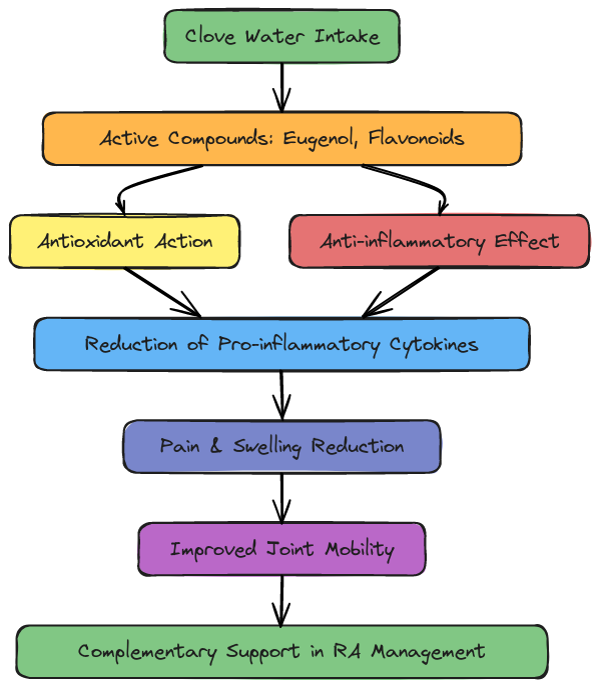
Figure No.4: Clove water effect on Rheumatoid arthritis
9. Future Perspectives
The therapeutic potential of clove water in rheumatoid arthritis (RA) highlights the need for rigorous clinical validation. While preclinical studies suggest strong anti-inflammatory, antioxidant, and immunomodulatory properties, well-designed randomized controlled trials are essential to establish efficacy, optimal dosing, and long-term safety in RA patients. Standardization of clove water preparation considering extraction methods, phytochemical quantification, and stability is equally critical to ensure reproducibility and reliable outcomes. Advances in pharmaceutical technology, such as nanoformulations and synergistic blends with other herbal or conventional agents, may enhance bioavailability and therapeutic efficacy while minimizing side effects. Furthermore, integrating clove water into evidence-based complementary and integrative medicine could provide a cost-effective and accessible adjunct to conventional RA treatments, particularly in resource-limited settings. Overall, future research should bridge traditional knowledge with modern pharmacology to fully realize clove water’s role in holistic RA management (Kciuk et al., 2024).
10. Conclusion
Clove water, rich in eugenol and diverse phytochemicals, demonstrates significant pharmacological potential in the management of rheumatoid arthritis (RA). Its anti-inflammatory, antioxidant, analgesic, and immunomodulatory properties directly target key pathways involved in RA pathogenesis, offering a natural, multi-targeted approach to disease control. Unlike conventional therapies, which are often costly and associated with adverse effects, clove water represents a safe, affordable, and accessible adjunctive option, particularly valuable in resource-limited settings. However, despite promising in vitro and in vivo findings, translational research remains limited. Critical gaps include standardized preparation methods, determination of optimal dosage, and robust clinical trials to validate long-term efficacy and safety. Future efforts should focus on bridging traditional ethnomedicinal use with modern pharmacological evaluation. Overall, clove water holds promise as a complementary remedy that could enhance patient outcomes and reduce dependence on synthetic drugs in RA management.
References
- Abdelqader, A., Obeidat, M. D., Al-Rawashdeh, M. S., & Alrazak, A. A. (2023). The role of vitamin E as an antioxidant and preventing damage caused by free radicals. Journal of Life Science and Applied Research, 4(2), 88–95.
- Ahmad, R. M., & Ibrahim, O. M. S. (2024). Anti-inflammatory activity of clove (Syzygium aromaticum) oil extract against chronic inflammation in rat. Adv Anim Vet Sci, 12(1), 77–84.
- Al-Khayri, J. M., Sahana, G. R., Nagella, P., Joseph, B. V, Alessa, F. M., & Al-Mssallem, M. Q. (2022). Flavonoids as potential anti-inflammatory molecules: A review. Molecules, 27(9), 2901.
- Alivernini, S., Firestein, G. S., & McInnes, I. B. (2022). The pathogenesis of rheumatoid arthritis. Immunity, 55(12), 2255–2270.
- Ashruf, O. S., & Ansari, M. Y. (2022). Natural compounds: potential therapeutics for the inhibition of cartilage matrix degradation in osteoarthritis. Life, 13(1), 102.
- Begum, A., Sain, M., & Singh, A. (2022). Bioactive Compounds in Clove. In Spice Bioactive Compounds (pp. 137–164). CRC Press.
- Bernal, A., Zafra, M. A., Simón, M. J., & Mahía, J. (2023). Sodium homeostasis, a balance necessary for life. Nutrients, 15(2), 395.
- Bilski, R., & Nuszkiewicz, J. (2025). Antioxidant Therapies as Emerging Adjuncts in Rheumatoid Arthritis: Targeting Oxidative Stress to Enhance Treatment Outcomes. International Journal of Molecular Sciences, 26(7), 2873.
- Bonjour, J.-P., Guéguen, L., Palacios, C., Shearer, M. J., & Weaver, C. M. (2009). Minerals and vitamins in bone health: the potential value of dietary enhancement. British Journal of Nutrition, 101(11), 1581–1596.
- Bule, M., Khan, F., Nisar, M. F., Niaz, K., Nabavi, S., Saeedi, M., & Sanches Silva, A. (2020). Tannins (hydrolysable tannins, condensed tannins, phlorotannins, flavono-ellagitannins). Recent Advances in Natural Products Analysis, 132–146.
- Cai, Y., Dou, J., Zhou, N., Shao, H., Shen, X., Lu, C., Fan, X., & Zheng, S. G. (2025). Ferroptosis in patients with rheumatoid arthritis. Clinical Immunology, 110588.
- Canlas, J., & Myers, A. L. (2023). Interactions of betel quid constituents with drug disposition pathways: an overview. Current Drug Metabolism, 24(2), 92–105.
- Chebaibi, M., El Abdali, Y., Elrherabi, A., Metouekel, A., AGOUR, A., Boubacar, A., Chebaibi, S.-E., Allali, A., El Moussaoui, A., & Hoummani, H. (n.d.). Integrated in vitro and Computational Assessment of Syzygium aromaticum Polyphenolic Extract: Bioactivities and Toxicity Profiling. Available at SSRN 5704287.
- Damasceno, R. O. S., Pinheiro, J. L. S., Rodrigues, L. H. M., Gomes, R. C., Duarte, A. B. S., Emídio, J. J., Diniz, L. R. L., & de Sousa, D. P. (2024). Anti-inflammatory and antioxidant activities of eugenol: An update. Pharmaceuticals, 17(11), 1505.
- Ding, Q., Hu, W., Wang, R., Yang, Q., Zhu, M., Li, M., Cai, J., Rose, P., Mao, J., & Zhu, Y. Z. (2023). Signaling pathways in rheumatoid arthritis: implications for targeted therapy. Signal Transduction and Targeted Therapy, 8(1), 68.
- El-Saber Batiha, G., Alkazmi, L. M., Wasef, L. G., Beshbishy, A. M., Nadwa, E. H., & Rashwan, E. K. (2020). Syzygium aromaticum L.(Myrtaceae): traditional uses, bioactive chemical constituents, pharmacological and toxicological activities. Biomolecules, 10(2), 202.
- Elgharib, I. M., Abdelhamid, F. M., Elshopakey, G. E., Sembawa, H., Albukhari, T. A., Filimban, W. A., Bagadood, R. M., El-Boshy, M. E., & Risha, E. F. (2025). Therapeutic Potential of Clove Oil in Mitigating Cadmium-Induced Hepatorenal Toxicity Through Antioxidant, Anti-Inflammatory, and Antiapoptotic Mechanisms. Pharmaceuticals, 18(1), 94.
- EMEKLI-ALTURFAN, E. (2023). FAT-SOLUBLE VITAMINS. A Guide to Vitamins and Their Effects on Diseases, 36.
- Fareed, M. M., Ullah, S., Qasmi, M., & Shityakov, S. (2023). The role of vitamins in DNA methylation as dietary supplements or neutraceuticals: a systematic review. Current Molecular Medicine, 23(10), 1012–1027.
- Faustino, C., Pinheiro, L., & Duarte, N. (2023). Triterpenes as Potential Drug Candidates for Rheumatoid Arthritis Treatment. Life, 13(7). https://doi.org/10.3390/life13071514
- Fernandes, E. S., Passos, G. F., Medeiros, R., da Cunha, F. M., Ferreira, J., Campos, M. M., Pianowski, L. F., & Calixto, J. B. (2007). Anti-inflammatory effects of compounds alpha-humulene and (?)-trans-caryophyllene isolated from the essential oil of Cordia verbenacea. European Journal of Pharmacology, 569(3), 228–236.
- Franco, R. F., & Jimenez, P. C. (2025). Pharmacological applications of electrospun nanofibers loaded with bioactive natural compounds and extracts: A systematic review. Drugs and Drug Candidates, 4(1), 8.
- Garcia-Carvajal, Z. Y., Velázquez, M. M., Castillo-Herrera, G. A., Espinosa-Andrews, H., & Haro-González, J. N. (2025). Uses in Pharmaceutical Industry. In Compendium of Clove (pp. 199–222). CRC Press.
- Ghosh, N., Pathak, S., Malsawmdawngkimi, Kumar, G., & Gull, A. (2024). Natural products and traditional herbal medicines as managerial therapies to combat rheumatoid arthritis. Clinical & Translational Metabolism, 22(1), 2.
- Gupta, R. C., & Doss, R. B. (2024). Toxicity Potential of Nutraceuticals. In Computational Toxicology: Methods and Protocols (pp. 197–230). Springer.
- HADDAD, W. S., REMITA, K., & OMAR, F. (n.d.). What if it is just vitamin C deficiency? The role of vitamin C deficiency in musculoskeletal pain. Mechanisms, clinical implications, and therapeutic approaches.
- Hasan, A. A., Khudhur, H. R., & Hameed, A. K. (2022). Rheumatic autoimmune diseases (focus on RA): prevalence, types, causes and diagnosis. Karbala Journal of Pharmaceutical Sciences, 1(20).
- Hernandez Garcia, F. (2024). Moderate vitamin B6 deficiency and sulfur amino acid metabolism in male and female rats.
- Huang, W.-C., Shu, L.-H., Kuo, Y.-J., Lai, K. S.-L., Hsia, C.-W., Yen, T.-L., Hsia, C.-H., Jayakumar, T., Yang, C.-H., & Sheu, J.-R. (2024). Eugenol suppresses platelet activation and mitigates pulmonary thromboembolism in humans and murine models. International Journal of Molecular Sciences, 25(4), 2098.
- James, L. J., & Evans, G. H. (2023). Water, electrolytes and acid–base balance. Essentials of Human Nutrition, 6, 119.
- Karaman, K., & Kaplan, M. (2022). Composition and functionality of clove (Syzygium aromaticum) extracts. In Clove (Syzygium aromaticum) (pp. 585–606). Elsevier.
- Kciuk, M., Garg, A., Rohilla, M., Chaudhary, R., Dhankhar, S., Dhiman, S., Bansal, S., Saini, M., Singh, T. G., & Chauhan, S. (2024). Therapeutic Potential of Plant-Derived Compounds and Plant Extracts in Rheumatoid Arthritis—Comprehensive Review. Antioxidants, 13(7), 775.
- Kondo, N., Kuroda, T., & Kobayashi, D. (2021). Cytokine networks in the pathogenesis of rheumatoid arthritis. International Journal of Molecular Sciences, 22(20), 10922.
- Kuang, X., Chiou, J., Lo, K., & Wen, C. (2021). Magnesium in joint health and osteoarthritis. Nutrition Research, 90, 24–35.
- Kumari, S., Singh, P. A., Sindhwani, R., Hazra, S., Bajwa, N., & Suri, A. (2025). Traditional Formulations and Uses. In Compendium of Clove (pp. 223–241). CRC Press.
- Laghari, A. H., & Khan, S. T. (2022). Cloves (Syzygium aromaticum) cultivars: Convenient source of eugenol and its role in commercially important formulations. In Clove (Syzygium aromaticum) (pp. 67–80). Elsevier.
- Lemmens-Gruber, R. (2020). Adverse effects and intoxication with essential oils. In Handbook of essential oils (pp. 517–541). CRC Press.
- Li, Y., Chen, M., Yan, J., Zhou, W., Gao, S., Liu, S., Li, Q., Zheng, Y., Cheng, Y., & Guo, Q. (2021). Tannic acid/Sr2+-coated silk/graphene oxide-based meniscus scaffold with anti-inflammatory and anti-ROS functions for cartilage protection and delaying osteoarthritis. Acta Biomaterialia, 126, 119–131.
- Liang, X., Chen, J., Xu, C., He, Q., Ali, M., & Li, K. (2025). Tupistra chinensis Polysaccharide Mitigates the Inflammatory Response by Regulating Gut-Microbiota in Mice Induced by LPS. Pakistan Veterinary Journal, 45(3), 1353–1360.
- Liñán-Atero, R., Aghababaei, F., García, S. R., Hasiri, Z., Ziogkas, D., Moreno, A., & Hadidi, M. (2024). Clove essential oil: chemical profile, biological activities, encapsulation strategies, and food applications. Antioxidants, 13(4), 488.
- Lippert, A., & Renner, B. (2022). Herb–drug interaction in inflammatory diseases: Review of phytomedicine and herbal supplements. Journal of Clinical Medicine, 11(6), 1567.
- Liu, S., Deng, Z., Chen, K., Jian, S., Zhou, F., Yang, Y., Fu, Z., Xie, H., Xiong, J., & Zhu, W. (2022). Cartilage tissue engineering: From proinflammatory and anti?inflammatory cytokines to osteoarthritis treatments. Molecular Medicine Reports, 25(3), 1–15.
- Long, Z., Xiang, W., He, Q., Xiao, W., Wei, H., Li, H., Guo, H., Chen, Y., Yuan, M., & Yuan, X. (2023). Efficacy and safety of dietary polyphenols in rheumatoid arthritis: A systematic review and meta-analysis of 47 randomized controlled trials. Frontiers in Immunology, 14, 1024120.
- MAHAJAN, S., KAUSHIK, R., & DWIVEDI, V. D. (2024). The significance of water-soluble vitamins in. The Role of Vitamins in Combating Infectious Viral Diseases, 24.
- Maouche, A., Boumediene, K., & Baugé, C. (2024). Bioactive Compounds in Osteoarthritis: Molecular Mechanisms and Therapeutic Roles. International Journal of Molecular Sciences, 25(21). https://doi.org/10.3390/ijms252111656
- Maring, M., C, B., M, K., Nandi, S., & S, L. (2024). Aromatic plants as potential resources to combat osteoarthritis. Combinatorial Chemistry & High Throughput Screening, 27(10), 1434–1465.
- Meotti, F. C., Lemos de Andrade, E., & Calixto, J. B. (2014). TRP modulation by natural compounds. Mammalian Transient Receptor Potential (TRP) Cation Channels: Volume II, 1177–1238.
- Nemati, R., McEntyre, C., Yeo, J., Phillips, I., Li, B., Leaver, C., & Sies, C. (2023). Water soluble vitamins: mechanism and metabolism. A narrative review. New Zealand Journal of Medical Laboratory Science, 77(1), 11–18.
- Nirmala, M. J., Shiny, P. J., Raj, U. S., Saikrishna, N., & Nagarajan, R. (2022). Toxicity of clove (Syzygium aromaticum) extract. In Clove (Syzygium Aromaticum) (pp. 663–674). Elsevier.
- Nisar, M. F., Khadim, M., Rafiq, M., Chen, J., Yang, Y., & Wan, C. C. (2021). Pharmacological properties and health benefits of eugenol: A comprehensive review. Oxidative Medicine and Cellular Longevity, 2021(1), 2497354.
- Prasad, P., Verma, S., Surbhi, Ganguly, N. K., Chaturvedi, V., & Mittal, S. A. (2023). Rheumatoid arthritis: advances in treatment strategies. Molecular and Cellular Biochemistry, 478(1), 69–88.
- Pulik, ?., ??gosz, P., & Motyl, G. (2023). Matrix metalloproteinases in rheumatoid arthritis and osteoarthritis: a state of the art review. Reumatologia, 61(3), 191.
- Rafeeq, H., Ahmad, S., Tareen, M. B. K., Shahzad, K. A., Bashir, A., Jabeen, R., & Shehzadi, I. (2020). Biochemistry of fat soluble vitamins, sources, biochemical functions and toxicity. Haya: The Saudi Journal of Life Sciences, 5(6), 188–196.
- Rajalekshmi, R., & Agrawal, D. K. (2024). Therapeutic Efficacy of Medicinal Plants with Allopathic Medicine in Musculoskeletal Diseases. International Journal of Plant, Animal and Environmental Sciences, 14(4), 104.
- Rizwan, M., Cheng, K., Gang, Y., Hou, Y., & Wang, C. (2025). Immunomodulatory effects of vitamin D and zinc on viral infection. Biological Trace Element Research, 203(1), 1–17.
- Sakthiswary, R., Uma Veshaaliini, R., Chin, K.-Y., Das, S., & Sirasanagandla, S. R. (2022). Pathomechanisms of bone loss in rheumatoid arthritis. Frontiers in Medicine, 9, 962969.
- Saleem, A., Akhtar, M. F., Sharif, A., Akhtar, B., Siddique, R., Ashraf, G. M., Alghamdi, B. S., & Alharthy, S. A. (2022). Anticancer, cardio-protective and anti-inflammatory potential of natural-sources-derived phenolic acids. Molecules, 27(21), 7286.
- Salvador, A. F., de Lima, K. A., & Kipnis, J. (2021). Neuromodulation by the immune system: a focus on cytokines. Nature Reviews Immunology, 21(8), 526–541.
- Sen, R., Riofrio, M., & Singh, J. A. (2024). A narrative review of the comparative safety of disease-modifying anti-rheumatic drugs used for the treatment of rheumatoid arthritis. Expert Opinion on Drug Safety, 23(6), 687–714.
- Shakeel, F., Alam, P., Ali, A., Alqarni, M. H., Alshetaili, A., Ghoneim, M. M., Alshehri, S., & Ali, A. (2021). Investigating antiarthritic potential of nanostructured clove oil (Syzygium aromaticum) in FCA-induced arthritic rats: Pharmaceutical action and delivery strategies. Molecules, 26(23), 7327.
- Sharma, A. R., Lee, Y.-H., Bat-Ulzii, A., Chatterjee, S., Bhattacharya, M., Chakraborty, C., & Lee, S.-S. (2023). Bioactivity, molecular mechanism, and targeted delivery of flavonoids for bone loss. Nutrients, 15(4), 919.
- Sharma, D., Chaubey, P., & Suvarna, V. (2021). Role of natural products in alleviation of rheumatoid arthritis—A review. Journal of Food Biochemistry, 45(4), e13673.
- Shaukat, A., Rajput, S. A., Hanif, S., Shukat, R., Ali, M., Shaukat, I., Hassan, M., Aleem, M. T., & Mohsin, M. (2025). Morin Inhibits Inflammation, Oxidative Stress and Ferroptosis in Lipopolysaccharide-Induced Endometritis. Pakistan Veterinary Journal, 45(2).
- Singh, P. A., & Purewal, S. S. (2024). Compendium of Clove: Navigating Agriculture, Chemistry, Processing, and Health Benefits. CRC Press.
- Srinivasan, K. (2022). Anti-inflammatory influences of culinary spices and their bioactives. Food Reviews International, 38(sup1), 1–17.
- Stojanovi?, N. M., Ran?elovi?, P. J., Simonovi?, M., Radi?, M., Todorovi?, S., Corrigan, M., Harkin, A., & Boylan, F. (2024). Essential oil constituents as anti-inflammatory and neuroprotective agents: an insight through microglia modulation. International Journal of Molecular Sciences, 25(10), 5168.
- Sun, X., Nie, F., Sun, J., Zhang, J., & Wang, Y. (2025). Medicinal Plants for Chemotherapy-Induced Nausea and Vomiting: A Systematic Review of Antiemetic, Chemosensitizing, and Immunomodulatory Mechanisms. Therapeutics and Clinical Risk Management, 1187–1218.
- Tai, Y., Zhu, Y., Mei, D., Wang, H., Yu, Q., Hong, C., Cai, X., Xu, L., Ge, J., & Liang, F. (2021). IgD promotes pannus formation by activating Wnt5A-Fzd5-CTHRC1-NF-?B signaling pathway in FLS of CIA rats and the regulation of IgD-Fc-Ig fusion protein. International Immunopharmacology, 101, 108261.
- Tariq, H., Alhudhaibi, A., Abdallah, P., & Emad, M. (2025). Syzygium aromaticum (clove buds) as a natural antibacterial agent: a promising alternative to combat multidrug-resistant bacteria. Frontiers in Microbiology, 16, 1674590.
- Thompson, M. R., & Thorpe, T. A. (1987). Metabolic and non-metabolic roles of carbohydrates. In Cell and tissue culture in forestry: general principles and biotechnology (pp. 89–112). Springer.
- Ullah, M. A., Hassan, A., & Hamza, A. (2023). Role of clove in human medical history. SAR Journal of Anatomy and Physiology, 4(2), 10–19.
- Vicidomini, C., Roviello, V., & Roviello, G. N. (2021). Molecular basis of the therapeutical potential of clove (Syzygium aromaticum L.) and clues to its anti-COVID-19 utility. Molecules, 26(7), 1880.
- Wahnou, H., Limami, Y., & Oudghiri, M. (2024). Flavonoids and flavonoid-based nanoparticles for osteoarthritis and rheumatoid arthritis management. BioChem, 4(1), 38–61.
- Wang, Z., Zhang, J., An, F., Zhang, J., Meng, X., Liu, S., Xia, R., Wang, G., & Yan, C. (2023). The mechanism of dendritic cell-T cell crosstalk in rheumatoid arthritis. Arthritis Research & Therapy, 25(1), 193.
- Xia, T., Li, J., Ren, X., Liu, C., & Sun, C. (2021). Research progress of phenolic compounds regulating IL?6 to exert antitumor effects. Phytotherapy Research, 35(12), 6720–6734.
- Yadav, Y., Dinesh, A. K., Kumari, M., & Maheshwari, R. K. (2022). Ethnopharmacology and traditional attributes of clove (Syzygium aromaticum). Int J Environ Health Sci, 4(1), 35–38.
- Y?ld?z, G., Demirci, B., Temel, H. E., & K?r?mer, N. (2023). Origanum minutiflorum O. Schwarz et PH Davis essential oil: enzyme inhibitory activities and chemical composition. Journal of Research in Pharmacy, 27(5), 2160–2169.
- Zhu, Y., Lu, S., Cidan, Y., Zhang, X., Basang, W., & Li, K. (2025). Protective effects of traditional Chinese herbal medicine formulas (TCHMFs) Via influencing anti-oxidative capacity, inflammatory mediators, and gut microbiota in Weaned Yaks. Pakistan Veterinary Journal, 45(1).